Real Estate ROI Forecast: North Bangalore Property Trends (2026 to 2030)

Real estate growth in Bangalore has always followed infrastructure. The areas that has got strong transport, business, and connectivity upgrades tend to grow faster and hold value longer. Between 2026 and 2030, this pattern is expected to become even clearer. Among all parts of the city, North Bangalore, especially the airport corridor, is projected to deliver the strongest real estate returns.
With large infrastructure projects nearing completion and new business districts taking shape, North Bangalore is moving into a new phase of growth. For buyers, investors, and end users, this shift creates a rare opportunity to enter a high potential market before it reaches full maturity.
Why the Airport Corridor Is Leading Bengaluru’s Growth?
The airport corridor has one clear advantage that no other part of Bangalore can match. It combines global connectivity with large land availability and ongoing infrastructure expansion. The kempegowda airport is one of the strong economic position that attracts businesses, talent, and long term investment.
Unlike all old parts of the city, North Bangalore still has room to grow in a planned way this allows the area to develop as a complete ecosystem rather than a crowded extension of the old city.
Infrastructure Is the Biggest Growth Driver
The biggest reason behind the strong ROI forecast for North Bangalore is infrastructure. Many major projects are either near to completion or moving steadily forward.
The Namma Metro Phase 2B, also known as the Blue Line, will directly connect the airport corridor to central and eastern Bangalore. Once operational between 2026 and 2027, this Metro line will reduce travel time and improve daily commute comfort for thousands of residents.
The Peripheral Ring Road (PRR) and the Satellite Town Ring Road (STRR) will further improve regional movement. These roads will reduce traffic pressure inside the city and make North Bangalore easier to reach from all directions. Together, all these projects are creating a strong foundation for long term property value growth.
Airport Centric Economy Creates Real Demand
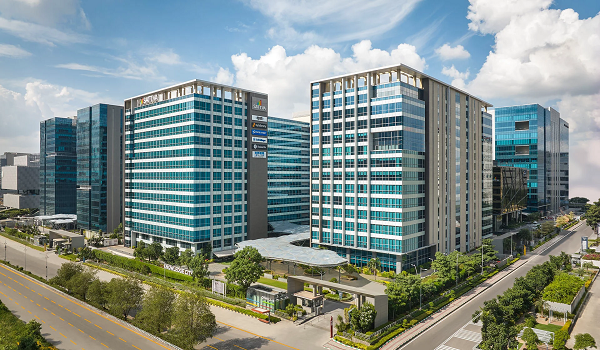
North Bangalore’s growth is no longer just about jobs and business activity. The presence of the international airport has acted as a catalyst, leading to the rapid development of the Devanahalli Business Park, Aerospace SEZ, logistics parks, and specialized aviation-linked industries.
These developments create a direct and sustained demand for housing. From global professionals and consultants to business owners and employees, there is a growing need for quality homes close to these emerging work hubs.
Early Growth Cycle Advantage
One of the strongest reasons investors are looking at North Bangalore is timing. South and East Bangalore are already mature markets. All the prices are high, land is limited, and traffic is heavy.
Check the current Sattva City Price to plan your budget with confidence.
North Bangalore is still in its early growth stage the entry prices are competitive, land parcels are larger, and development is more planned. This gives buyers a better chance to see strong appreciation over the next 5 to 10 years. All the large gated communities and townships, such as Sattva City, benefit the most from this phase of growth.
ROI Forecast for North Bangalore between 2026 to 2030
Between 2026 and 2030, market estimates suggest 12 to 18% year on year growth in select micro markets along the airport corridor. Over a period of four to five years, this can translate into 20 to 35% total appreciation, especially for villas, top floor, and plotted projects.
Performance of Key Micro Markets
Devanahalli is expected to remain the top choice for long term. With airport city expansion and logistics growth, annual appreciation of 12 to 15% is considered realistic for well located projects. Hebbal continues to be a best zone due to strong connectivity and established social infrastructure.
Yelahanka and Jakkur offer balanced growth these areas are preferred by end users looking for quality living close to the airport. The annual growth of 8 to 10% is expected, with lower risk and steady demand.
Rental Yield Growth in the Airport Corridor
Rental demand in North Bangalore is rising and all the professionals working in aviation, logistics, aerospace, and new tech parks prefer homes near the airport corridor.
Business travellers and senior professionals also add to short term and long term rental demand. This results in positive when compared to many older parts of the city where supply has already peaked. Projects with strong modern features and good connectivity, such as Sattva City, are well placed to benefit from this trend.
Why Sattva City Fits the Airport Growth Story?
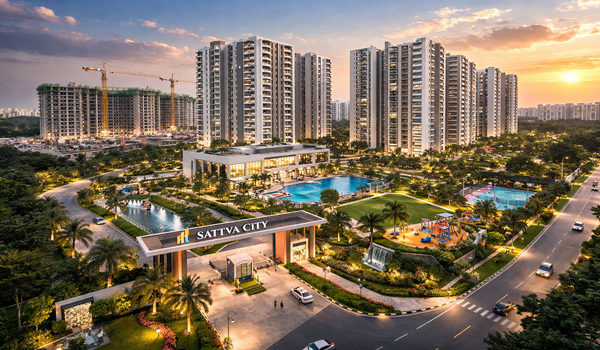
Sattva City aligns well with the airport and infrastructure led growth of North Bangalore. Its location allows all the residents to benefit from nearby airport, upcoming Metro connectivity, and access to emerging business hubs.
Large township planning, open spaces, and modern amenities match the expectations of today’s buyers. As infrastructure around the project matures, both lifestyle value and investment value are expected to rise together.
2026 to 2030 Outlook for North Bangalore
By 2030, North Bangalore is expected to function as a central hub rather than an outer zone technology, aerospace, logistics, and residential development.
While other parts of Bangalore face price saturation, the airport corridor still offers growth entry at the right time which makes it one of the most important regions for long term real estate investment plan.
Compare the Sattva City Floor Plans to find a layout that suits your family.
Conclusion
North Bangalore’s airport corridor is entering its strongest growth phase between 2026 and 2030. Driven by major projects, an airport economy, and early stage development advantages, the region is set to perform the rest of Bengaluru in real estate returns.
For buyers and investors looking for strong ROI supported by real demand and long term fundamentals, developments like Sattva City offer a rare mix of connectivity, planning, and future value.







 24/7 Support
 Free Site Visit
 Unmatched Price